
Climate Justice
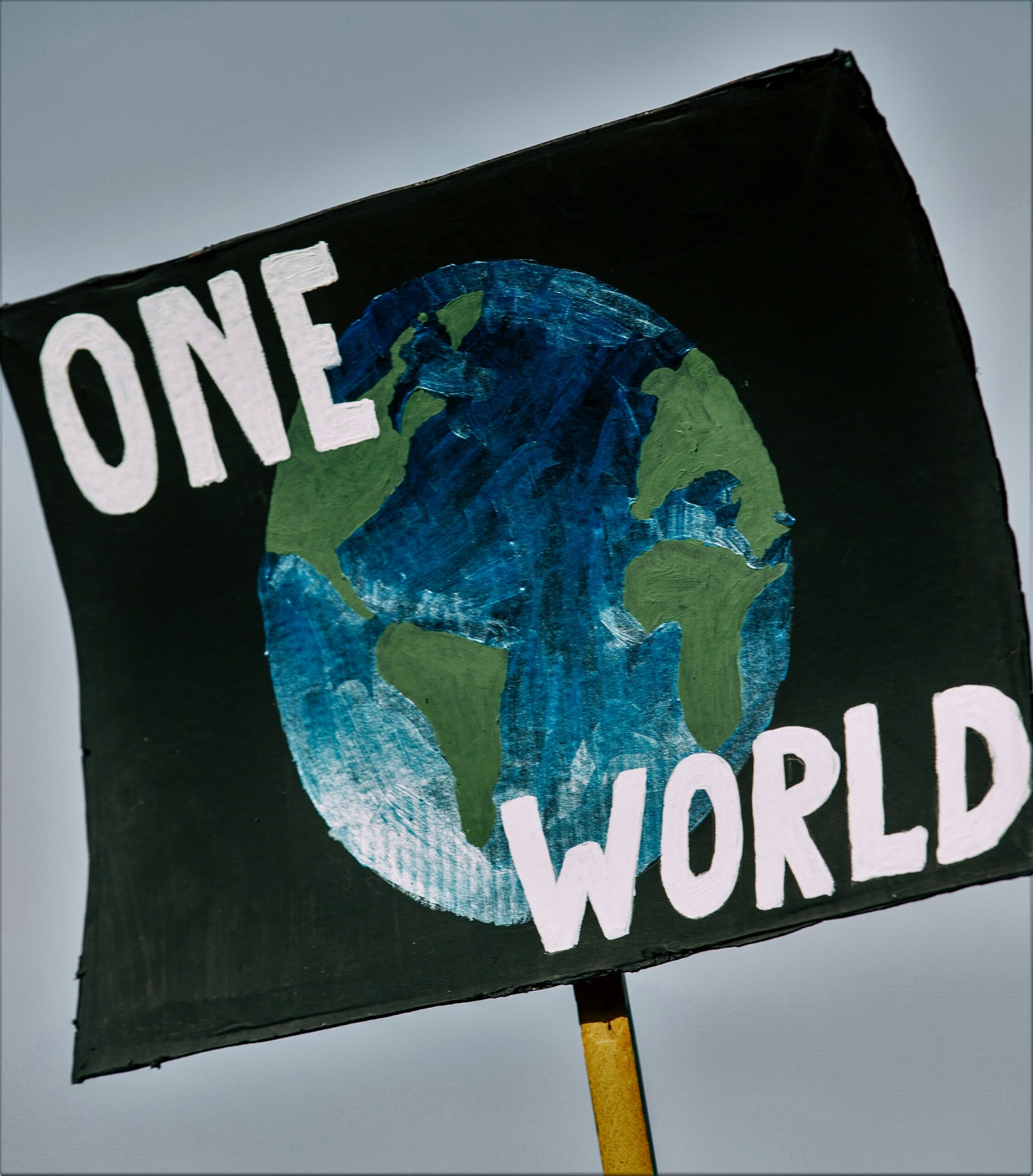
The organizing theme of this course, taught by BLS Professor Dr. Shelly Eversley, follows indigenous and Black feminist practices that advance the notion of connection, that we are all connected. More than a connection among humans, this concept of connection includes the survival and interrelatedness of all things.
The interdisciplinary course follows the intersections between the global climate emergency and the urgent need for racial and social justice. We know that with climate change, the people and communities that contribute the least suffer the most. Globally, the climate crisis disproportionately impacts the Global South, including regions in Latin America, the Caribbean, and Africa. This crisis influences migration, food security, political stability, and world economies. In the United States, BIPOC communities are disproportionately more vulnerable to climate-induced hazards such as extreme heat, flooding, hurricanes, and housing displacement.
More than a theoretical exercise, we wanted to connect our learning with real-world applications. With assistance from the NYC Environmental Justice Alliance and CUNY Climate Hub, we collaborated with community organizations in New York City and CUNY TV so that students could create short documentaries about climate and environmental justice issues affecting our communities in New York City. Each documentary includes a call to action.
Download Climate Justice Sample Syllabus
Comments are closed.